Coronation Gala
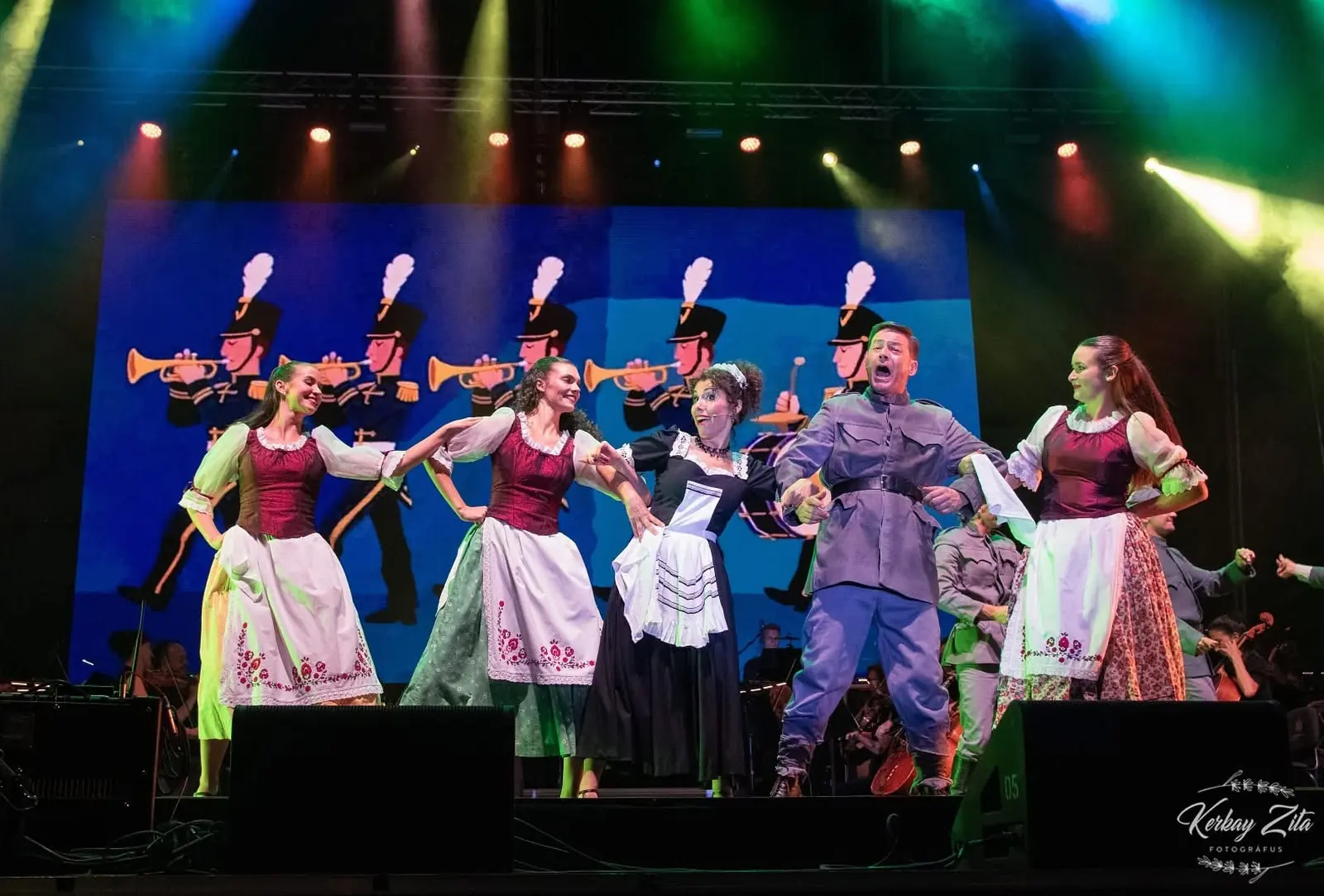
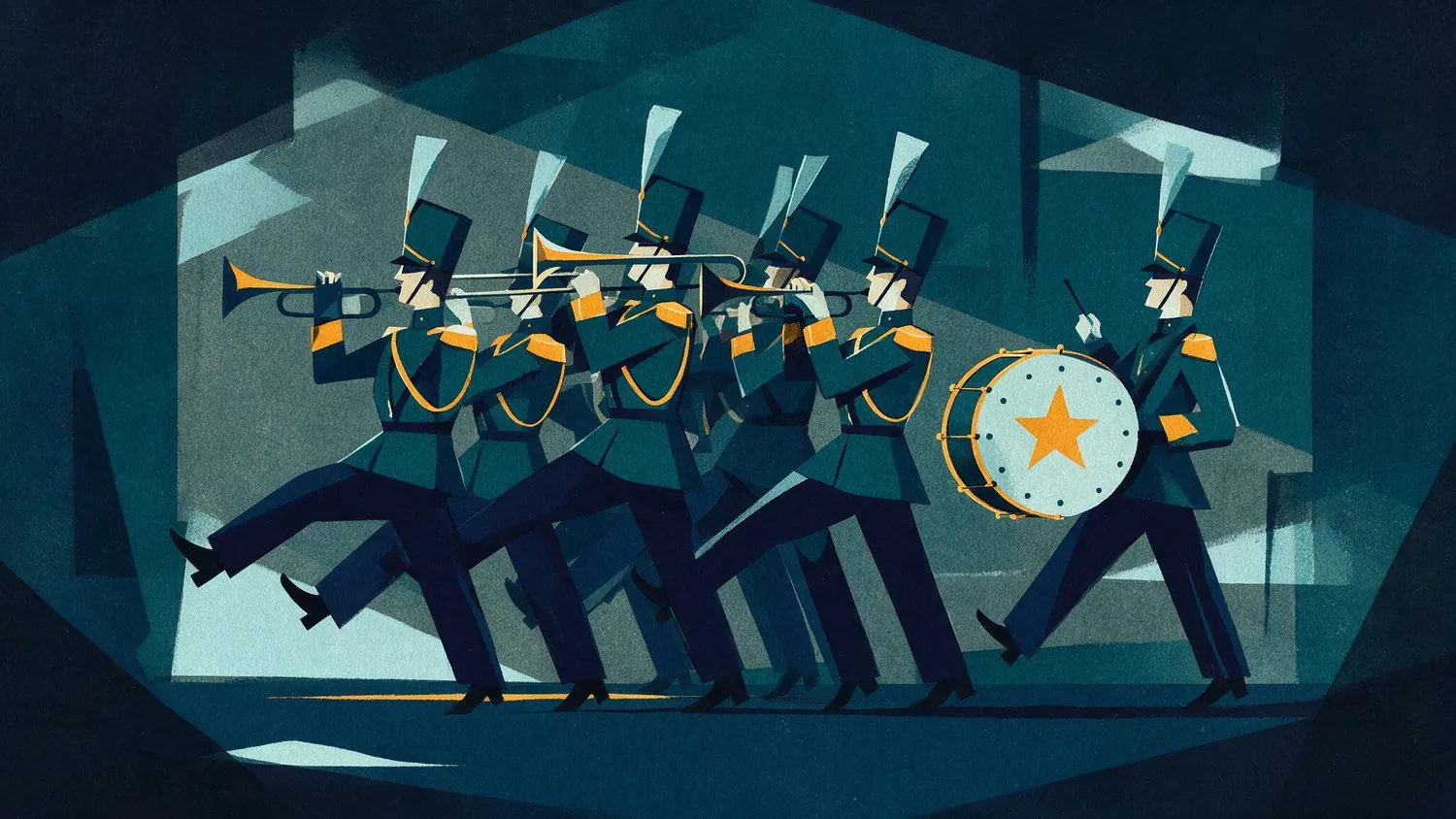
Projection content for seventeen numbers in a single night, across several separate LED walls carrying the same signal — as measured, seamless loops.


We do two things, and they cannot be separated. One is the DECISION: what the visual world should be — where it takes place, which colours, which rules. The other is the PRODUCTION: stills and motion built from that decision, through to the delivered file.
In practice: we map where the material will appear and at what size; we choose the visual language by comparing several candidates; we produce the stills; we set them in motion; we cut them, and deliver in whatever format and resolution the rig asks for.
The result can be a loop for an LED wall, a campaign film, a website hero or a product visualisation. What they share is that none of it comes from a template, and that the last file is delivered by the person who came up with the concept.
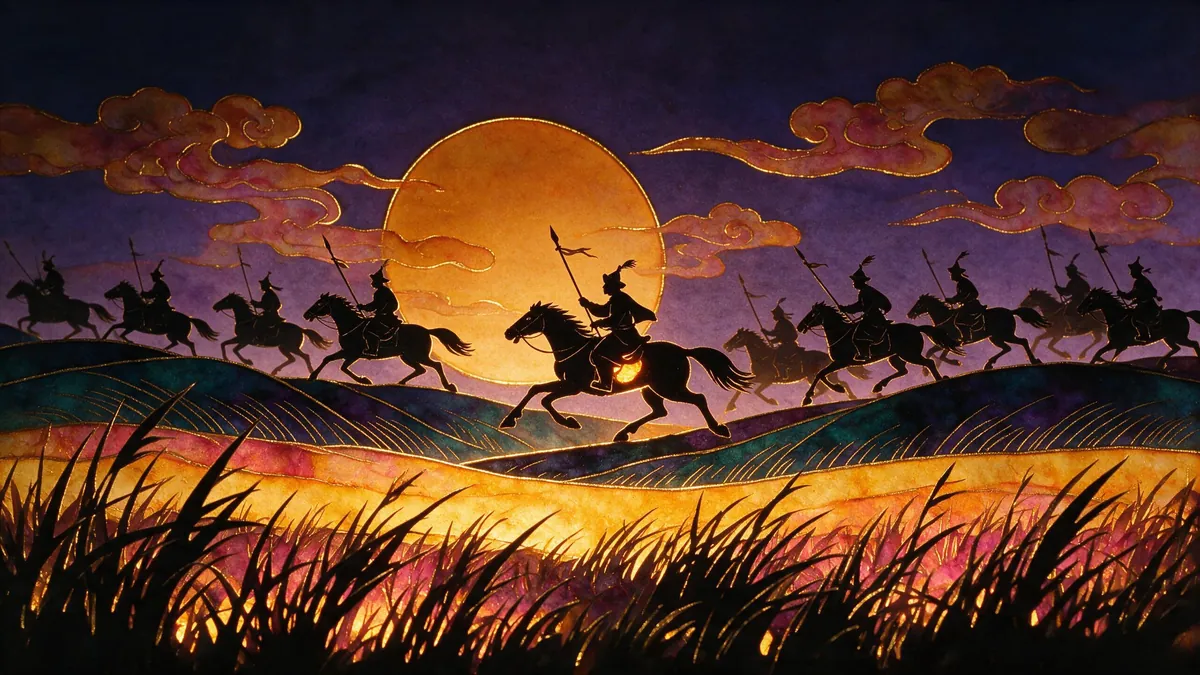
An image does not work because it is beautiful. It works because it comes from a world we thought through first. Once that world exists, the images fit together on their own. Without it there are only pictures — and the viewer feels that, even without being able to name it. The method is the same for a product launch and for a night on a stage; only the world differs.
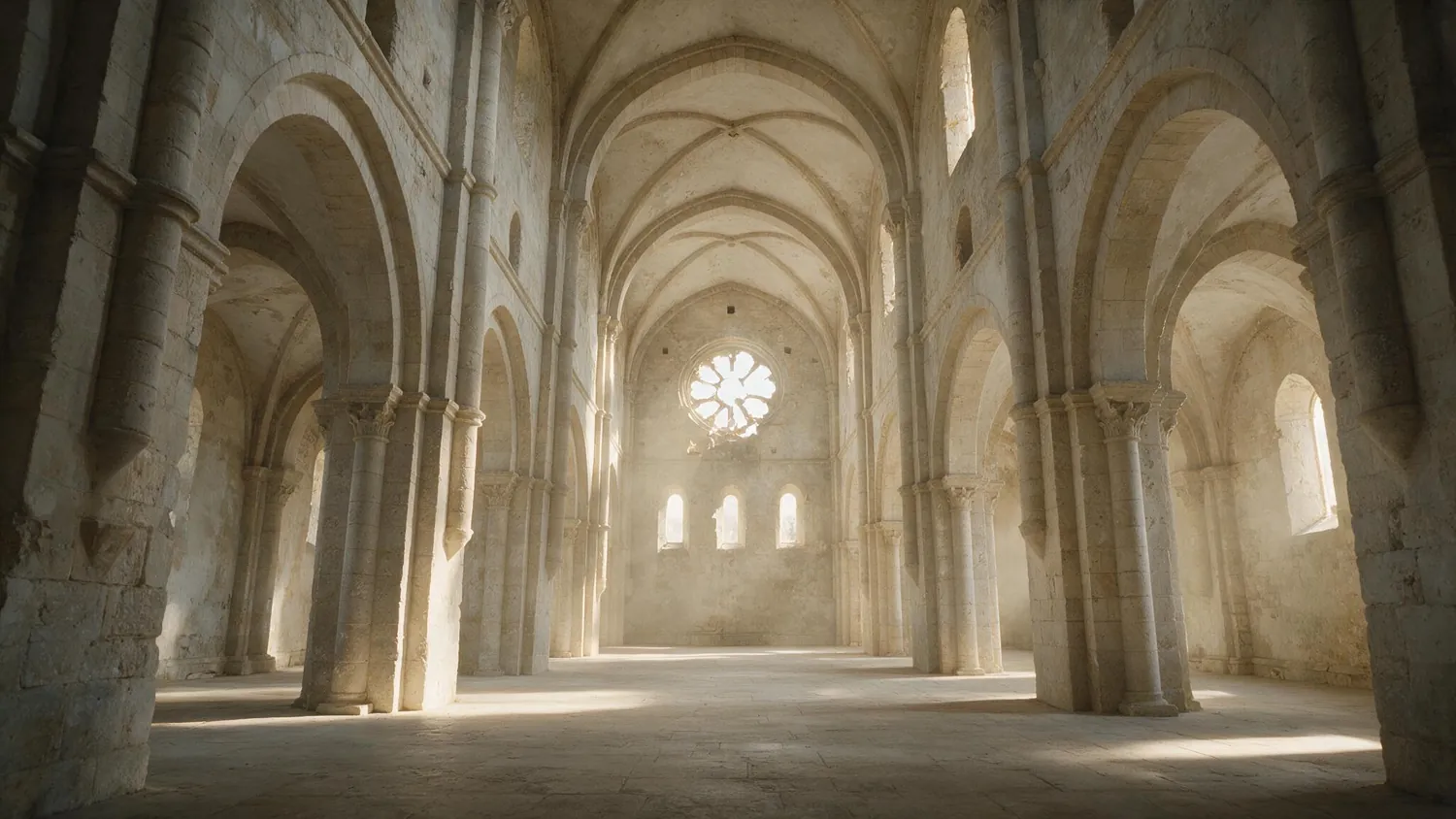
For AluConnect barely a handful of finished units existed in the country and photography was out of the question — the world had to be designed. For the gala the ruined basilica of the coronation city became the decision: the whole evening plays there. In both cases one decision then answered dozens of questions.
A few colours, a few stated rules. On the gala, five colours and one hard condition: a figure is never pure black. On AluConnect, that the product never stands in a catalogue but in homes, in real light. These are not matters of taste — everything after them follows from them.
From there no single image is a separate decision. Eight colour variants or seventeen numbers: nothing has to be laid over the top to hold them together, because the unity comes from the structure itself.

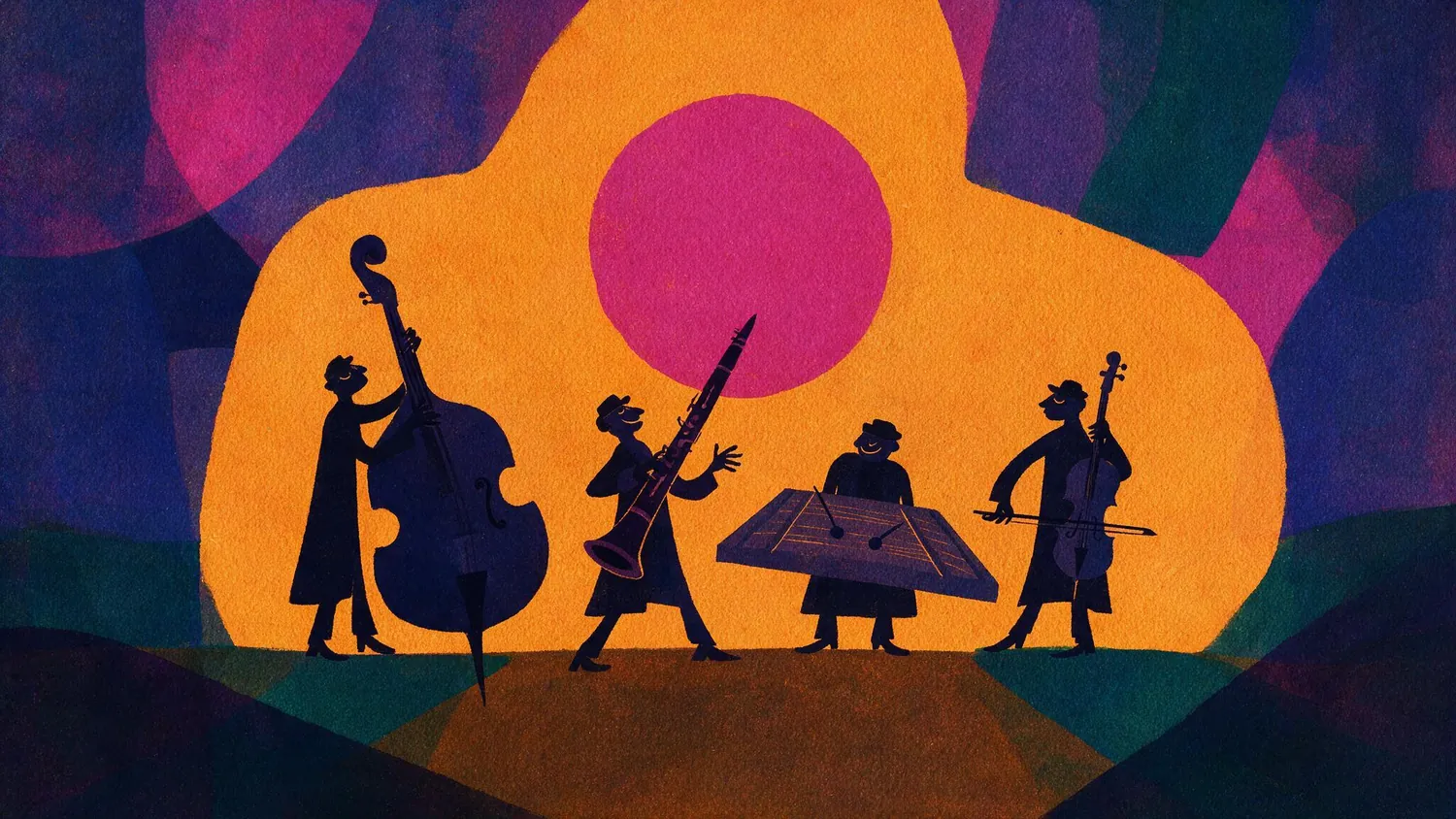
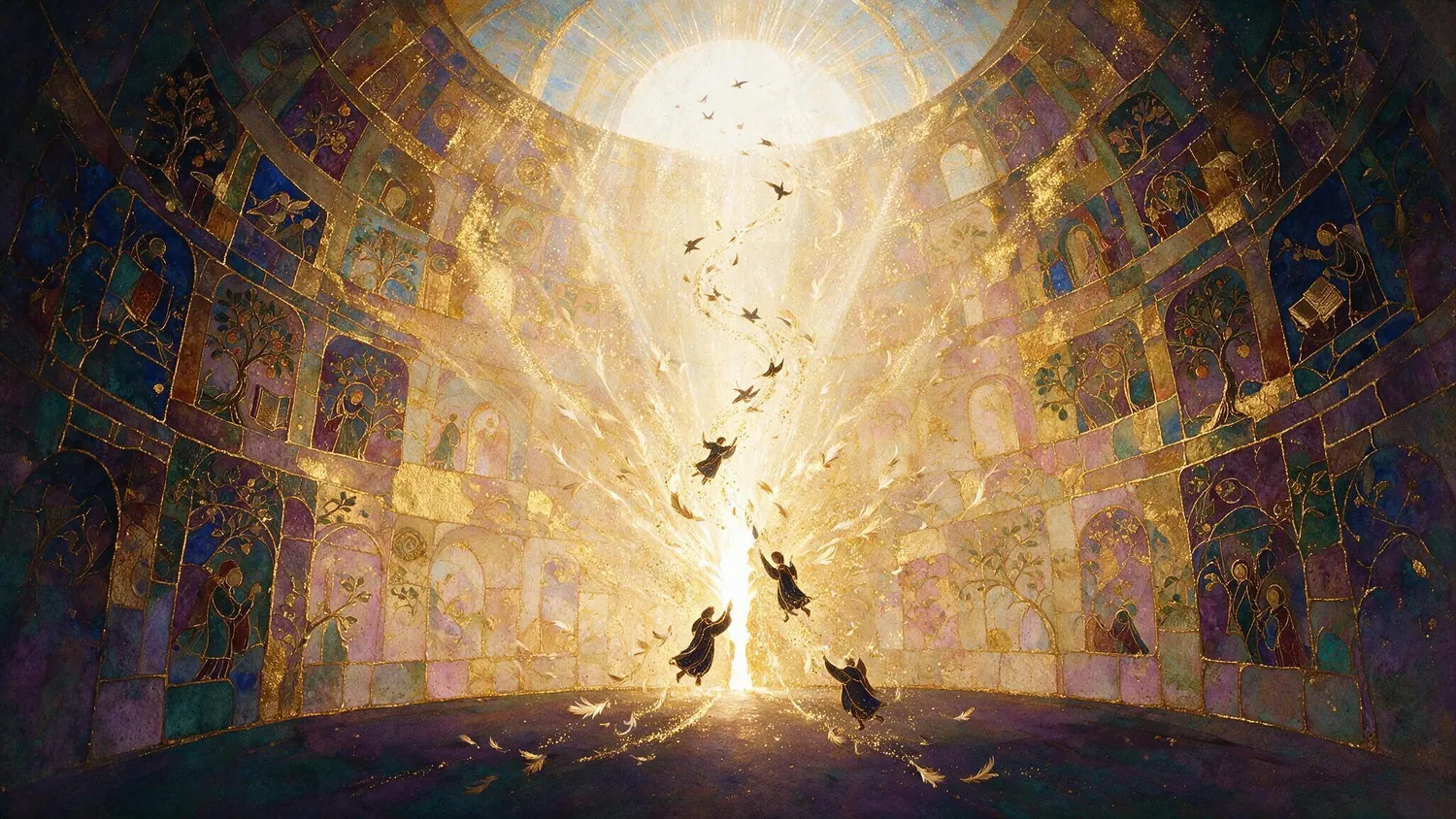
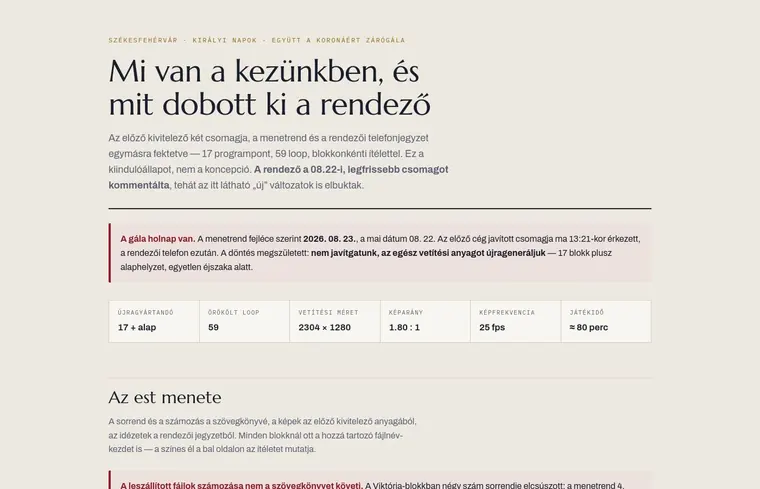
Of a previous supplier's fifty-nine finished loops, one could stay. We did not patch the rest: the time repair would take is enough for a new, consistent set — and that one adds up to a world. Patched material always shows, because two hands are in it.

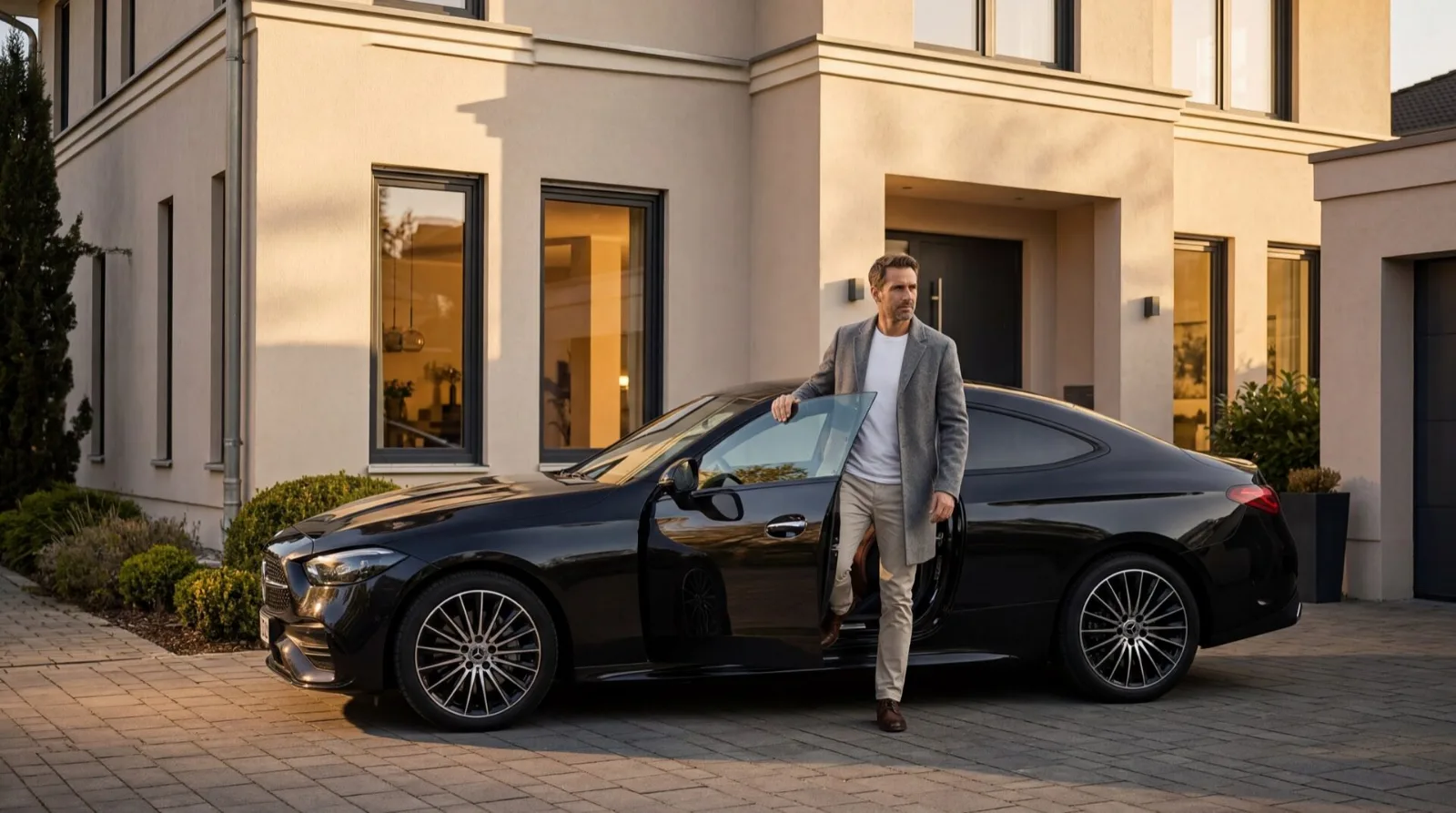
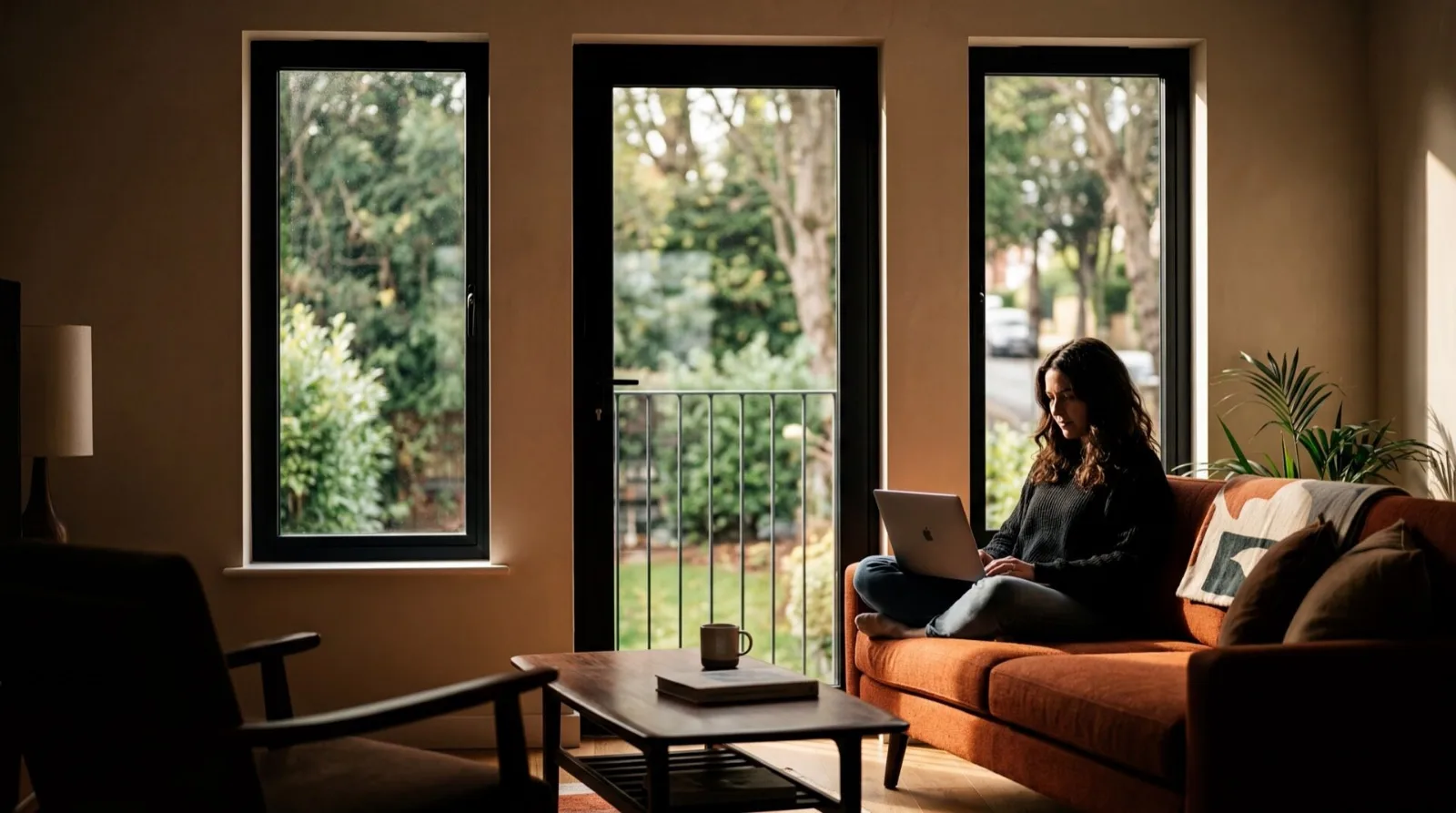
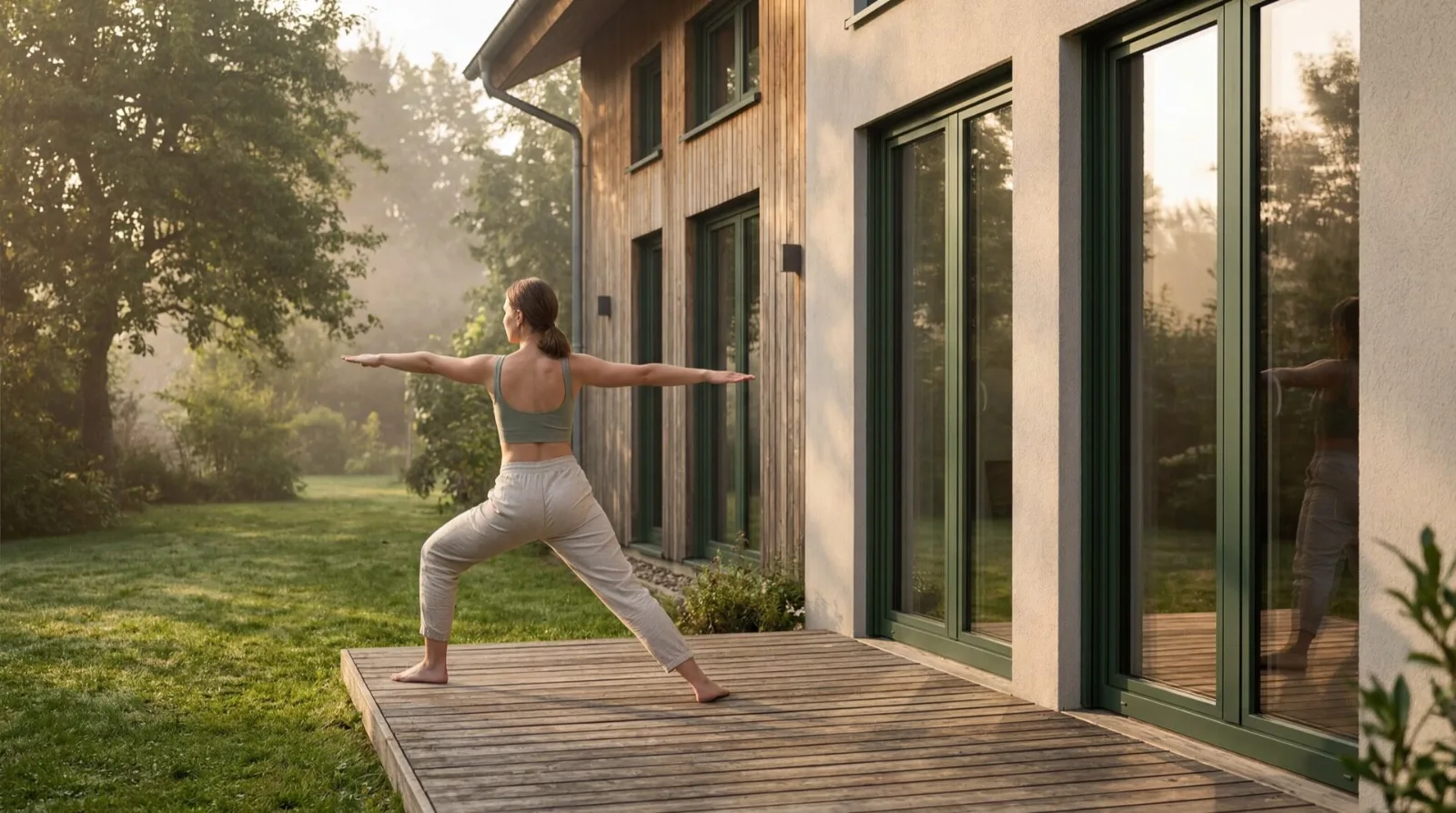
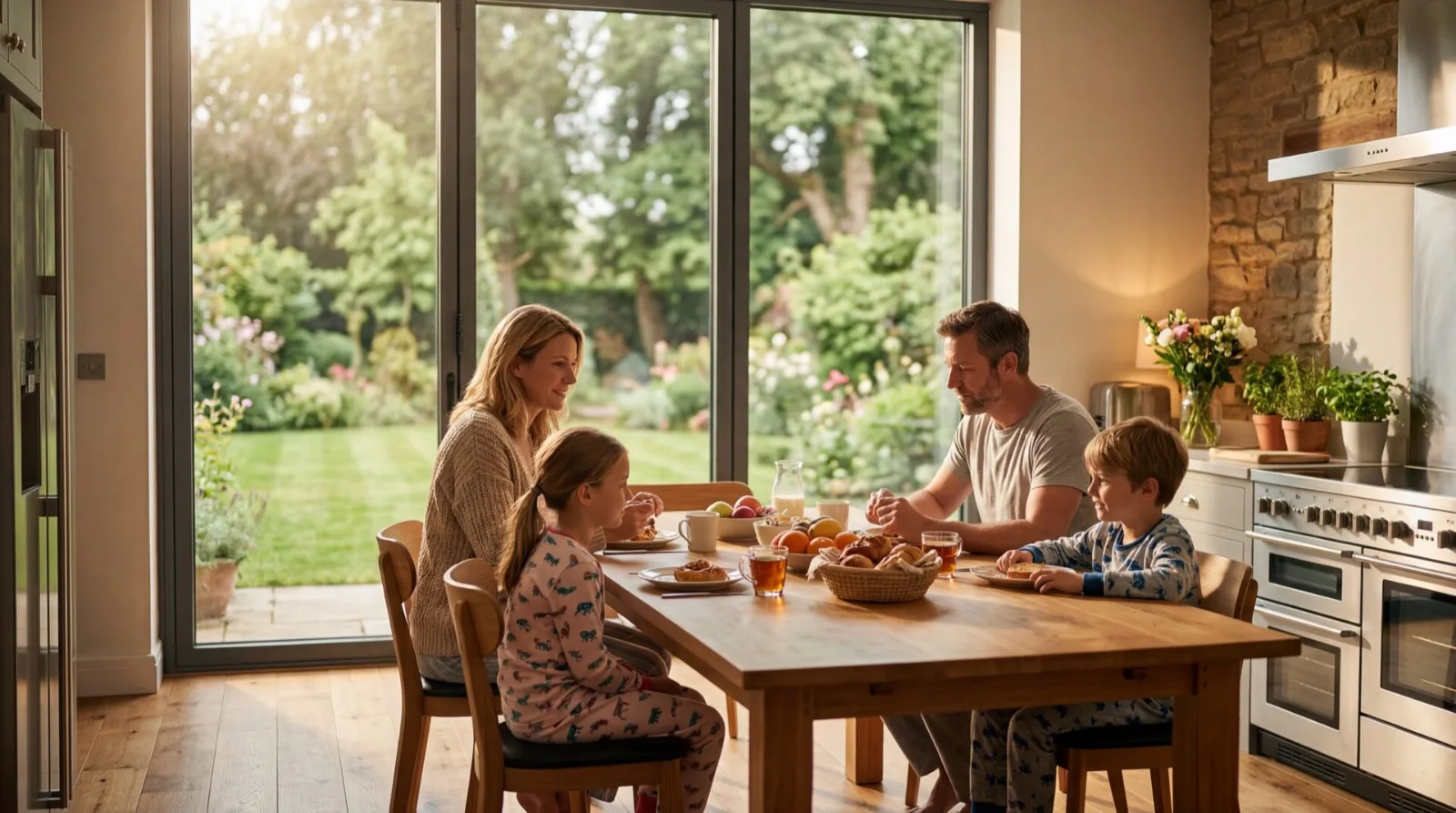
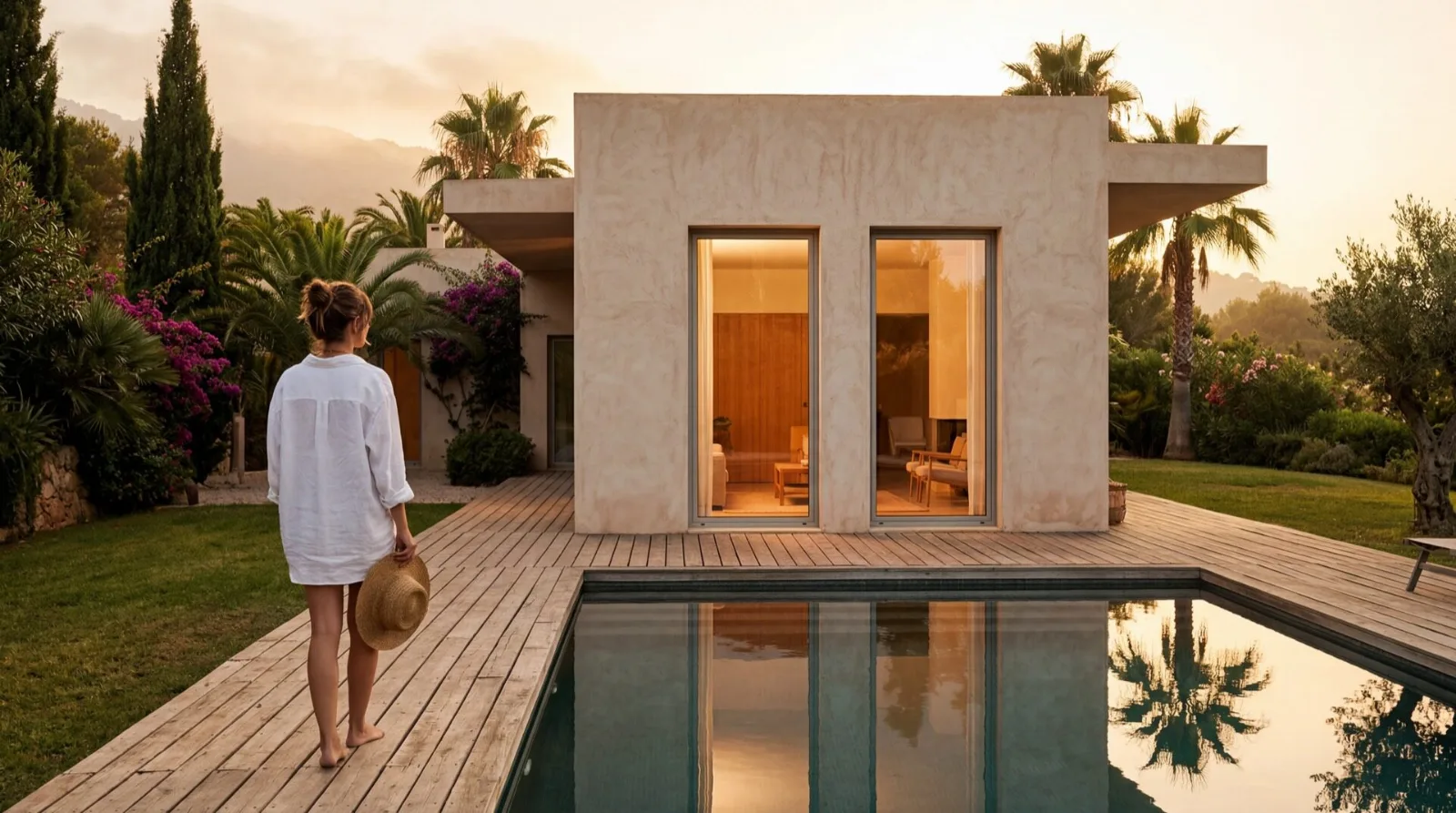
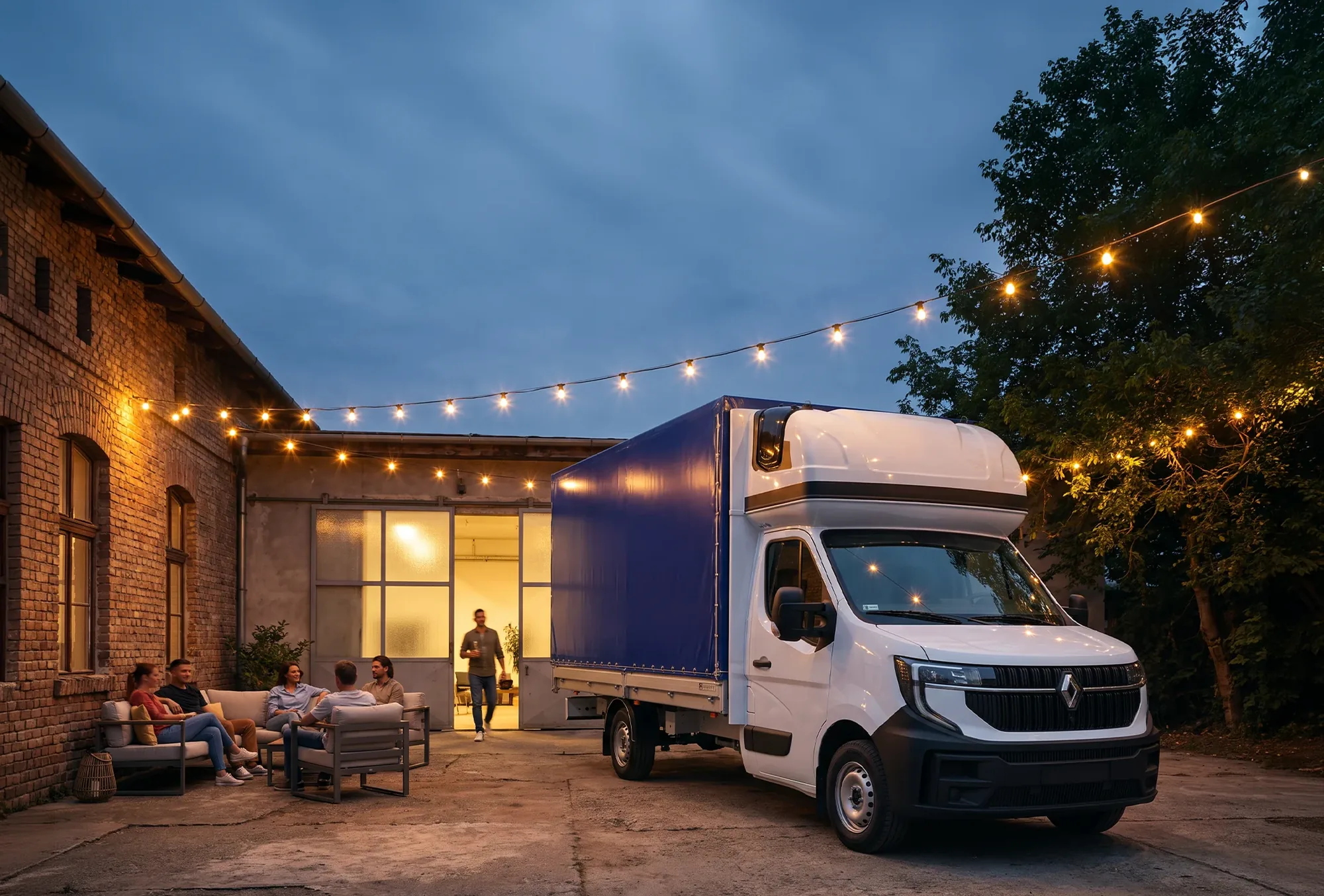
When AluConnect launched, barely any finished units of the product existed — photography was out of the question. The thesis was still a single sentence: the product never stands in a catalogue, but in homes, in real light. Every scene, colour and setup followed from that — not the reverse.

A loop is good when the viewer cannot tell where it starts. We do not judge that by eye: we measure the difference between the end and the beginning and keep working until it disappears between frames. What looks right on a laptop may not on a ten-metre wall.
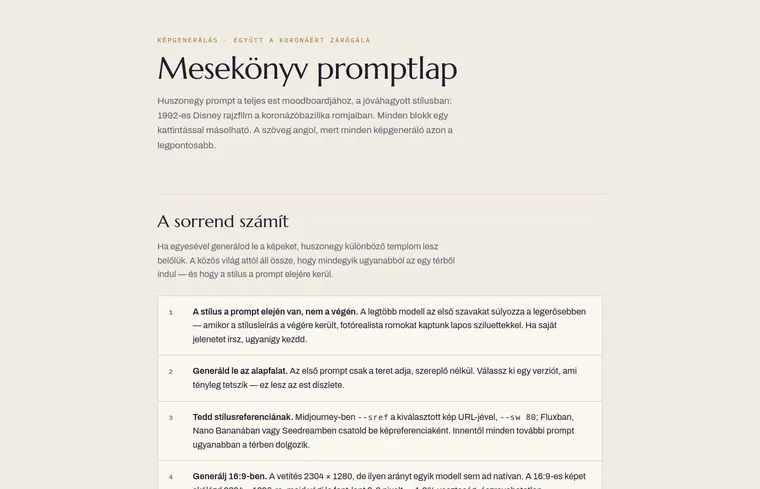
We work with generative tools because they let us line up ninety versions before delivering anything. But the client does not care what it was made with — they care whether it is good. The decision and the responsibility stay ours.
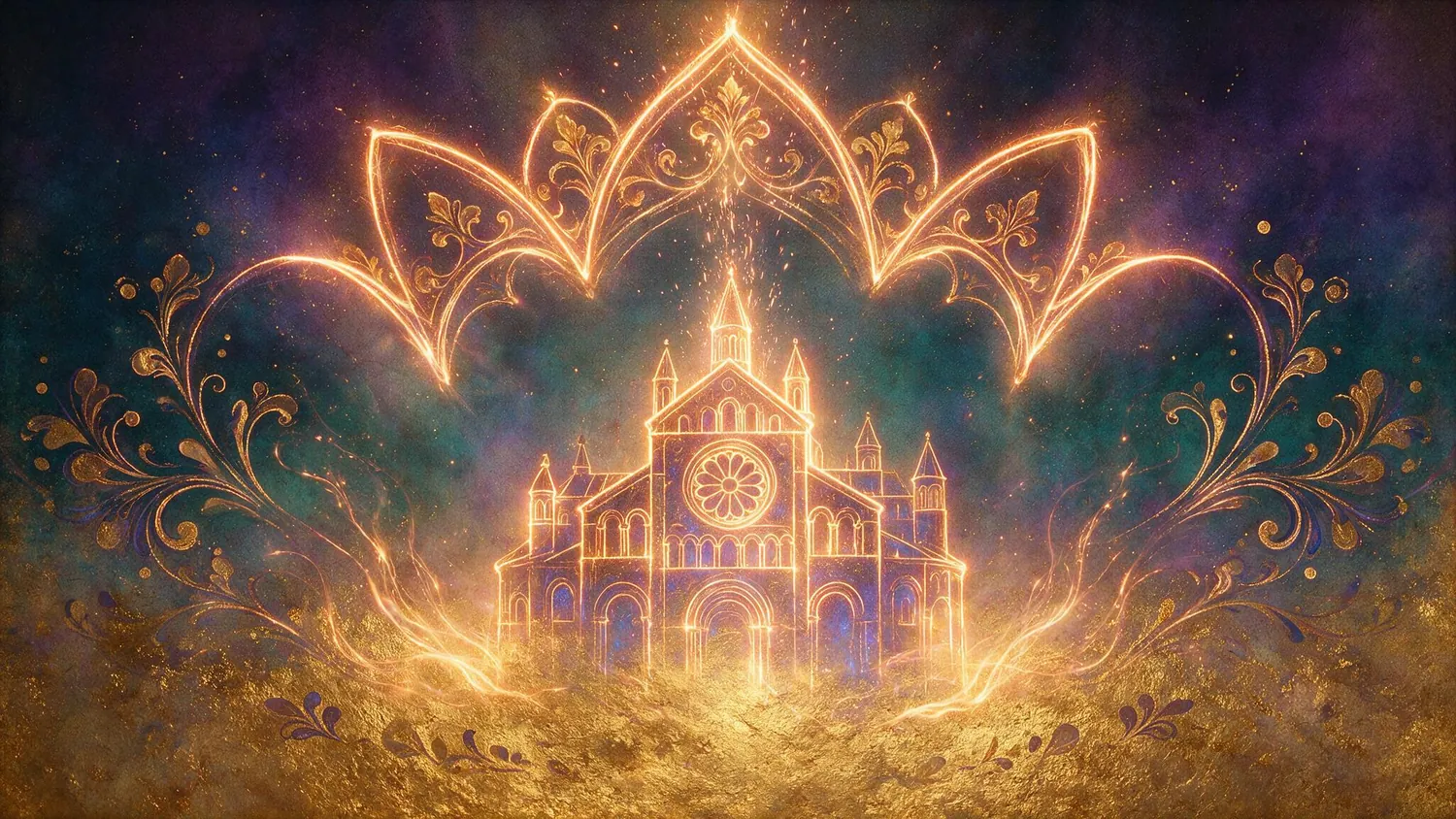
Every project starts with the same moment: nothing exists yet, and someone has to imagine what it should be.
The other half is obsession. Ninety versions for a single decision, loops closed by measurement, fifty-nine finished loops thrown away because they were not good enough. Not because the brief asked for it — but because you cannot put down a half-finished image.
Let's start a conversationA brief usually describes what should be in the picture. It rarely covers where it will appear, at what size, in what light, next to what, and for how long anyone will look at it. Yet those decide what works — on an LED wall and on a product page alike.
How many surfaces carry the same signal, and what happens when they sit side by side?
SurfaceWhat is in front of the image, or around it? A performer, a building, text — or nothing?
ContextHow long does someone look at it? Four seconds, or a whole movement?
TimeIn what light is it seen? Outdoors, on a screen, in print?
LightDoes it repeat? If so, how many times, and where does it start again?
LoopWhat comes after it? What does the last frame join onto?
Transition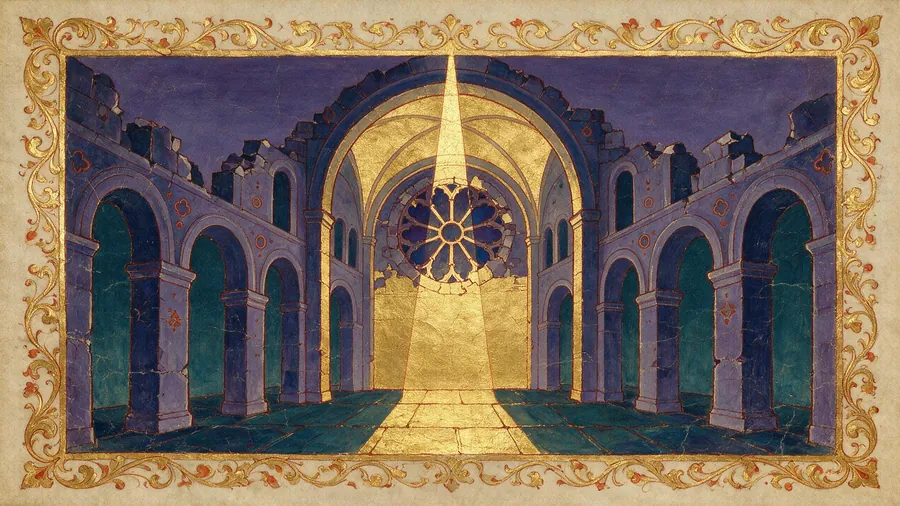

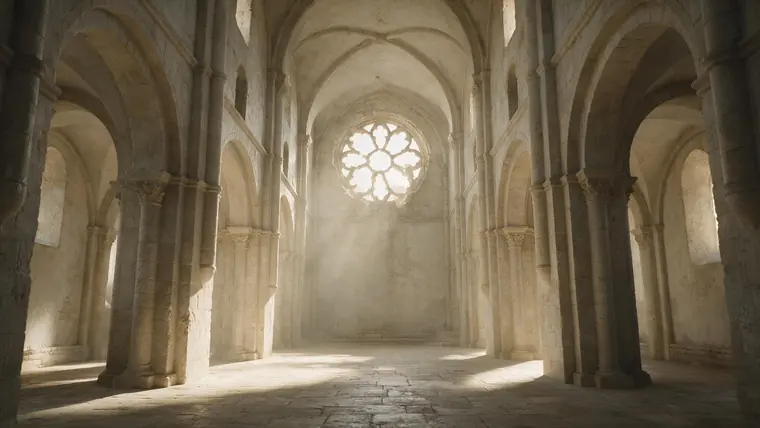
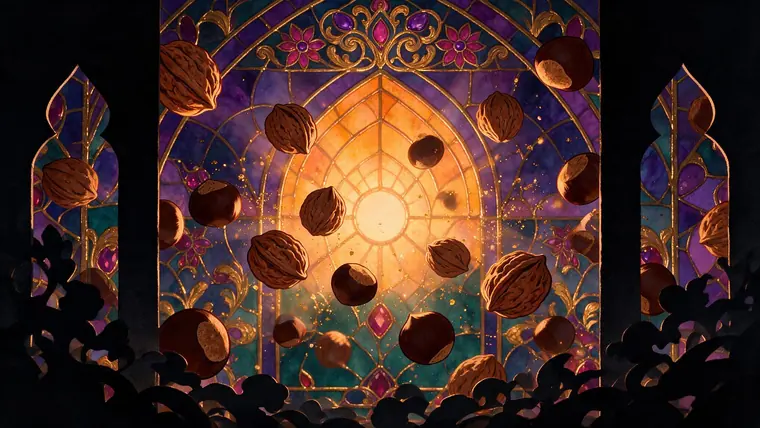
Projection content for seventeen numbers in a single night, across several separate LED walls carrying the same signal — as measured, seamless loops.
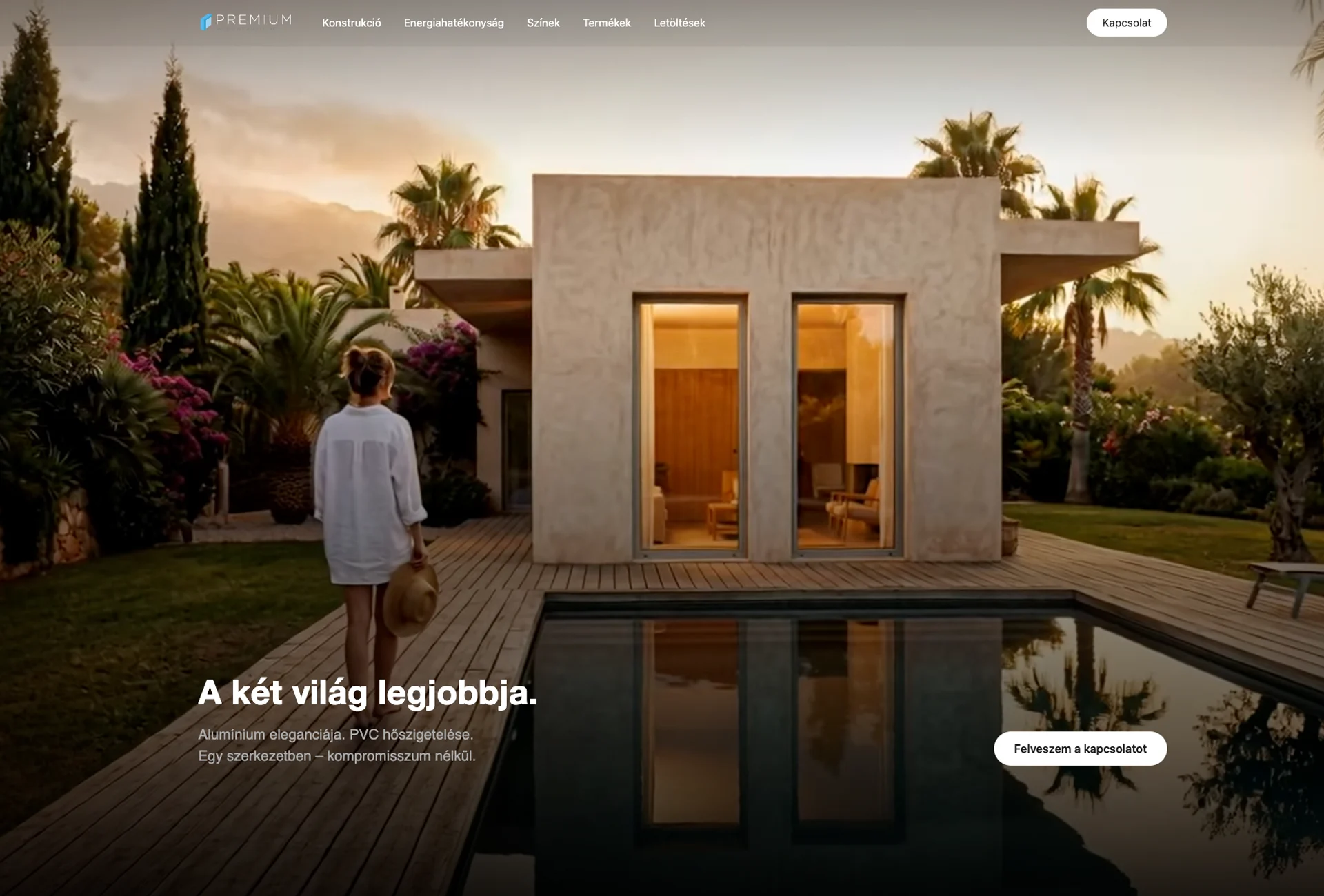
Product visualisation built in three dimensions, and the visual system around it that carries the same world from print to the website.
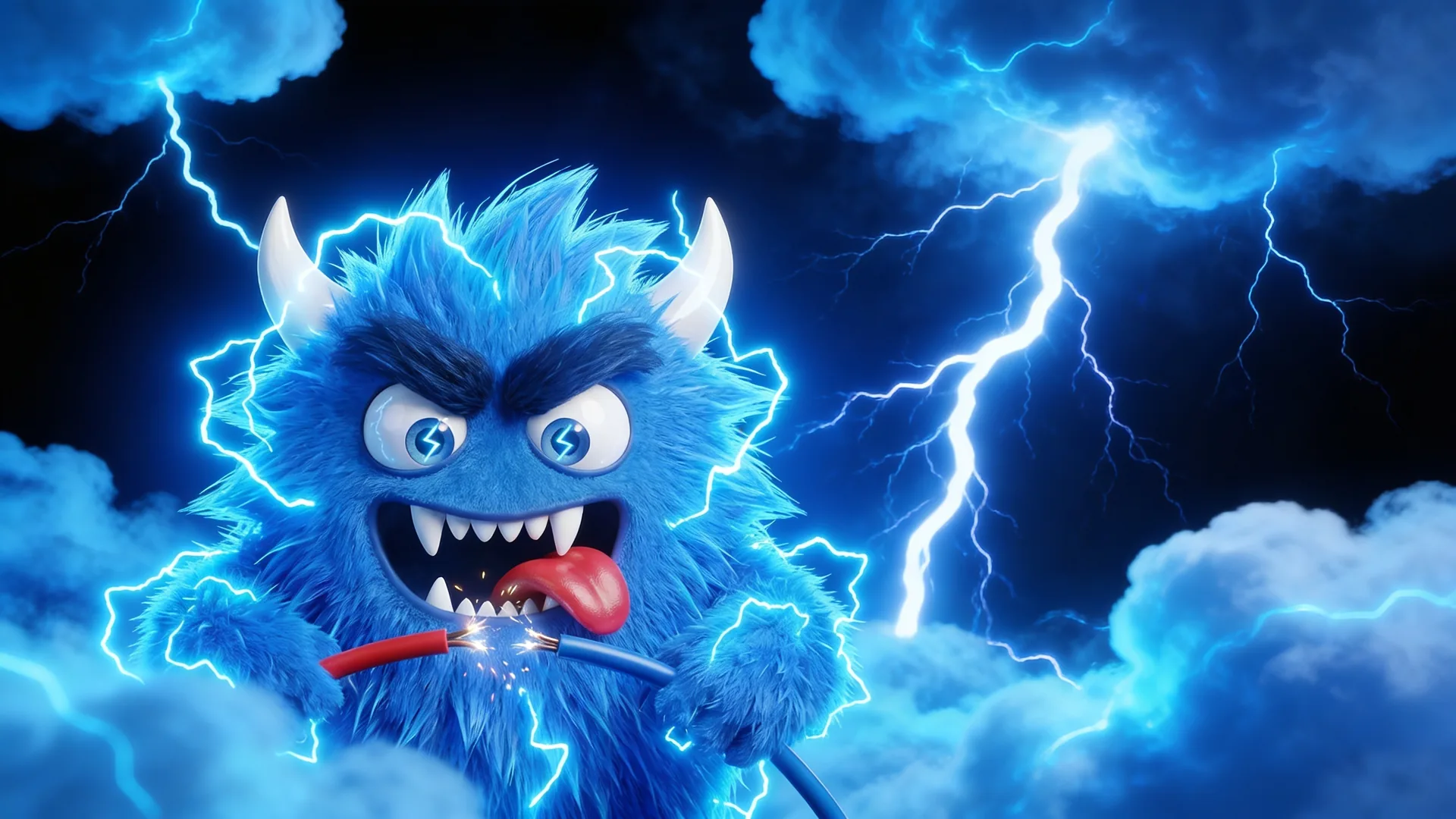
Let's start with the visual language.
Start a project